


-
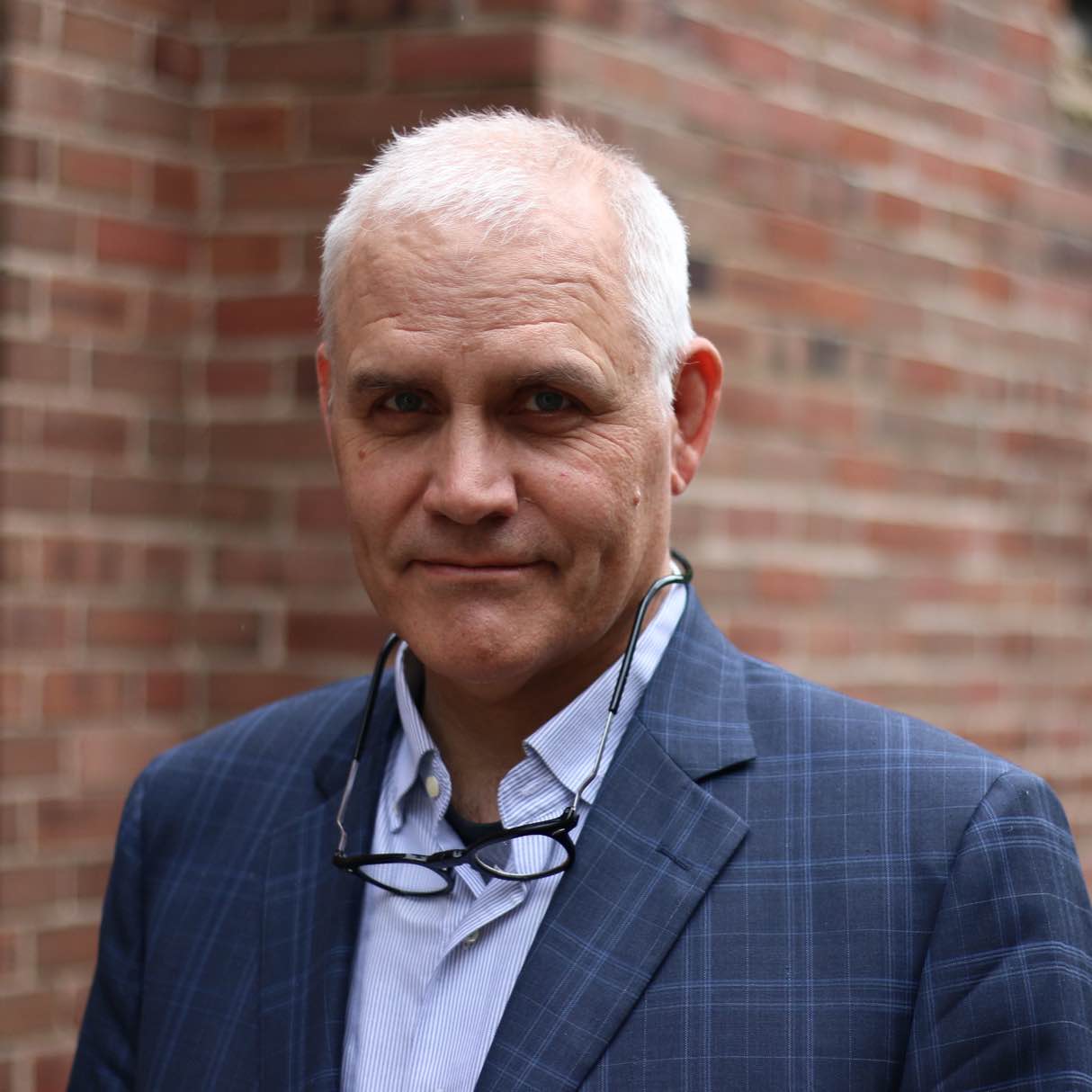
Dean Rehberger
Director
-

Candace Keller
Associate Director
-

Josh Christ
Lead Software Developer
-
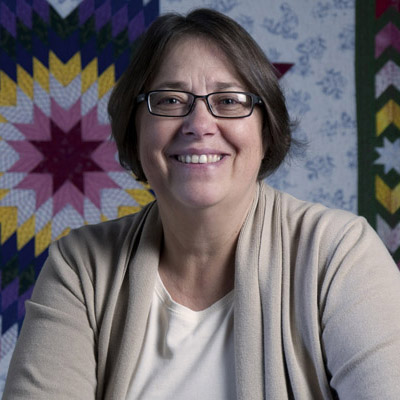
Beth Donaldson
Research Assistant
-
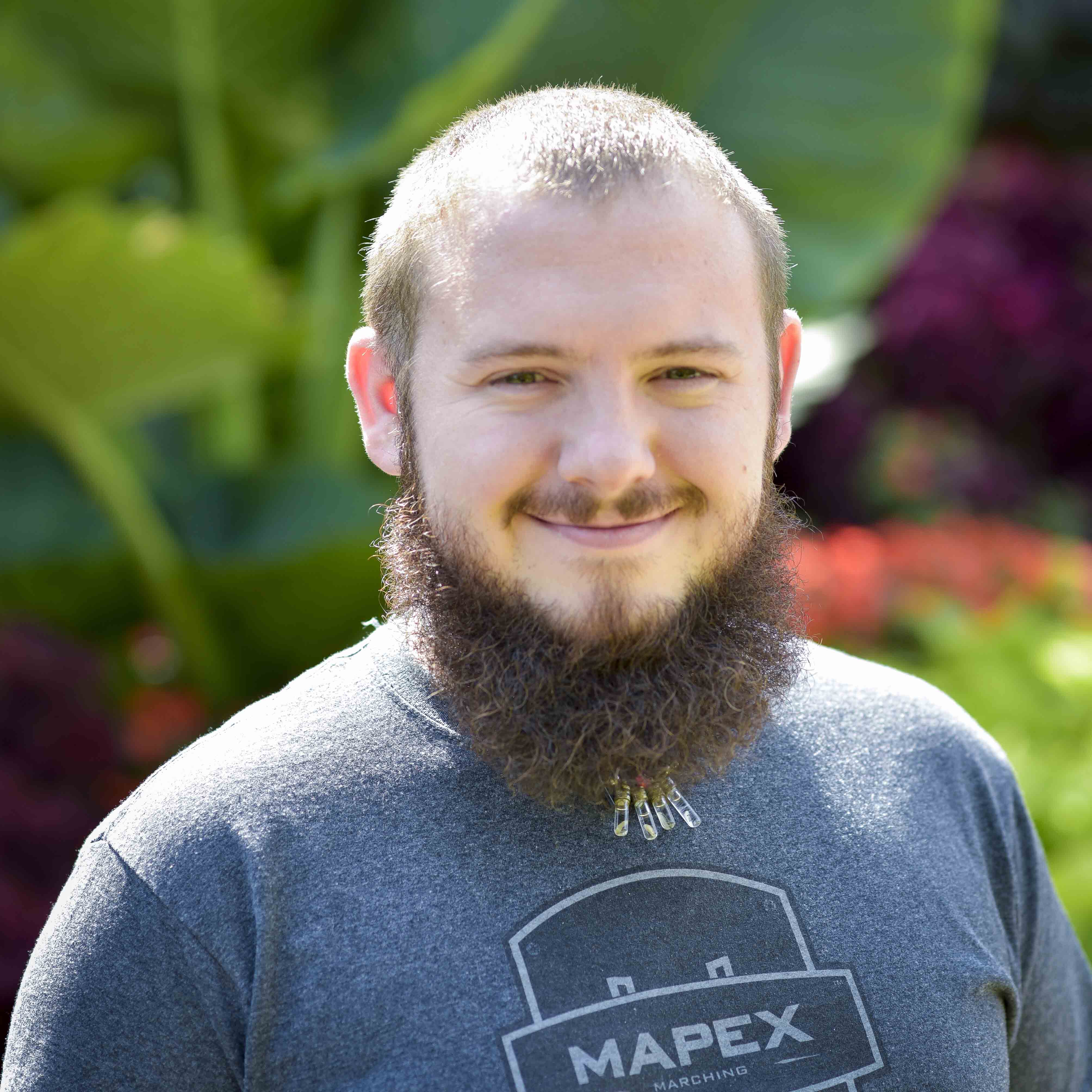
Anthony D'Onofrio
Lead Software Developer
-

Rachel Egan
Data Analyst
-
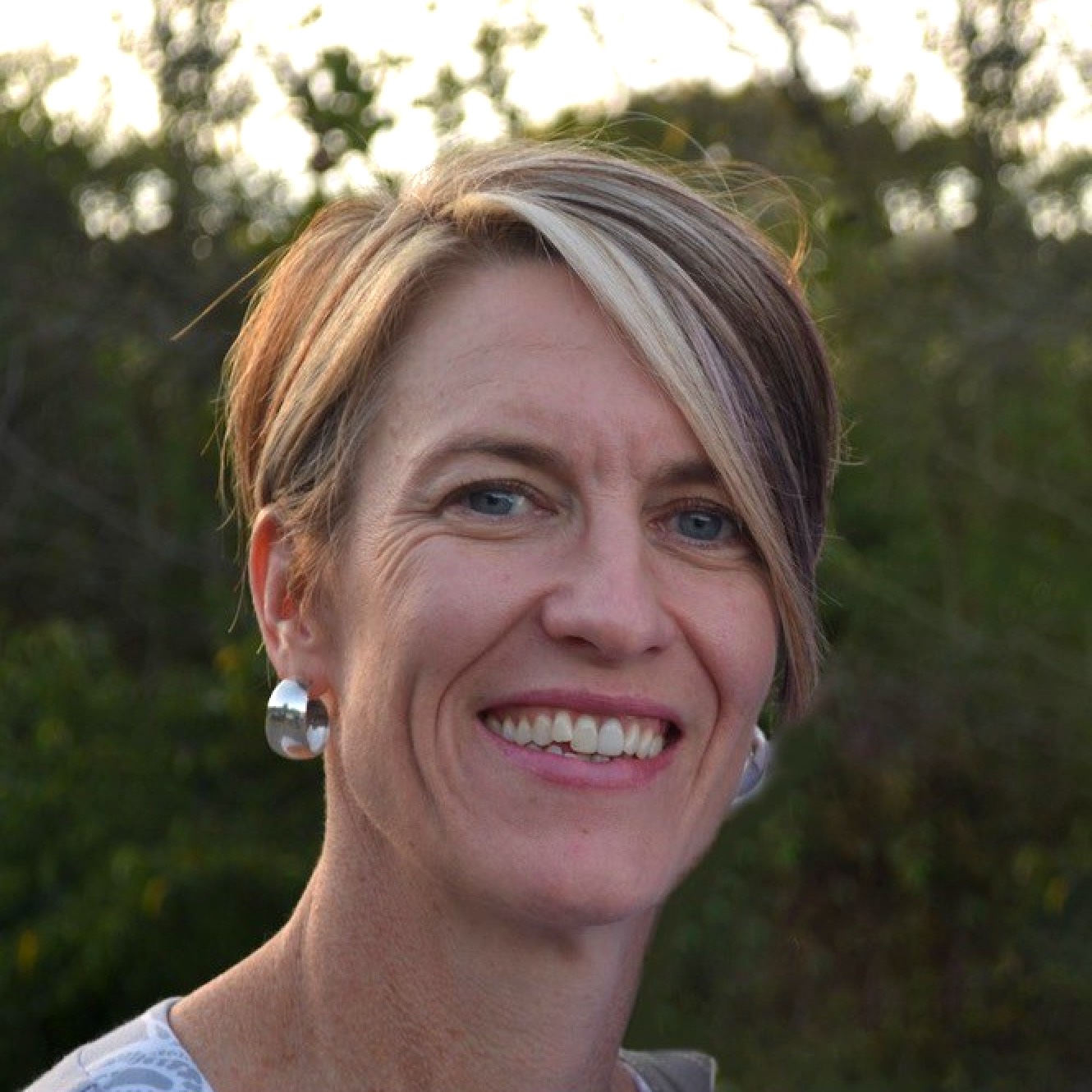
Catherine Foley
Head of Digital Library and Archive Projects
Project Manager
-

Jeff Goeke-Smith
Head of Systems
-

Walter Hawthorne
Head of Enslaved.org Project
-
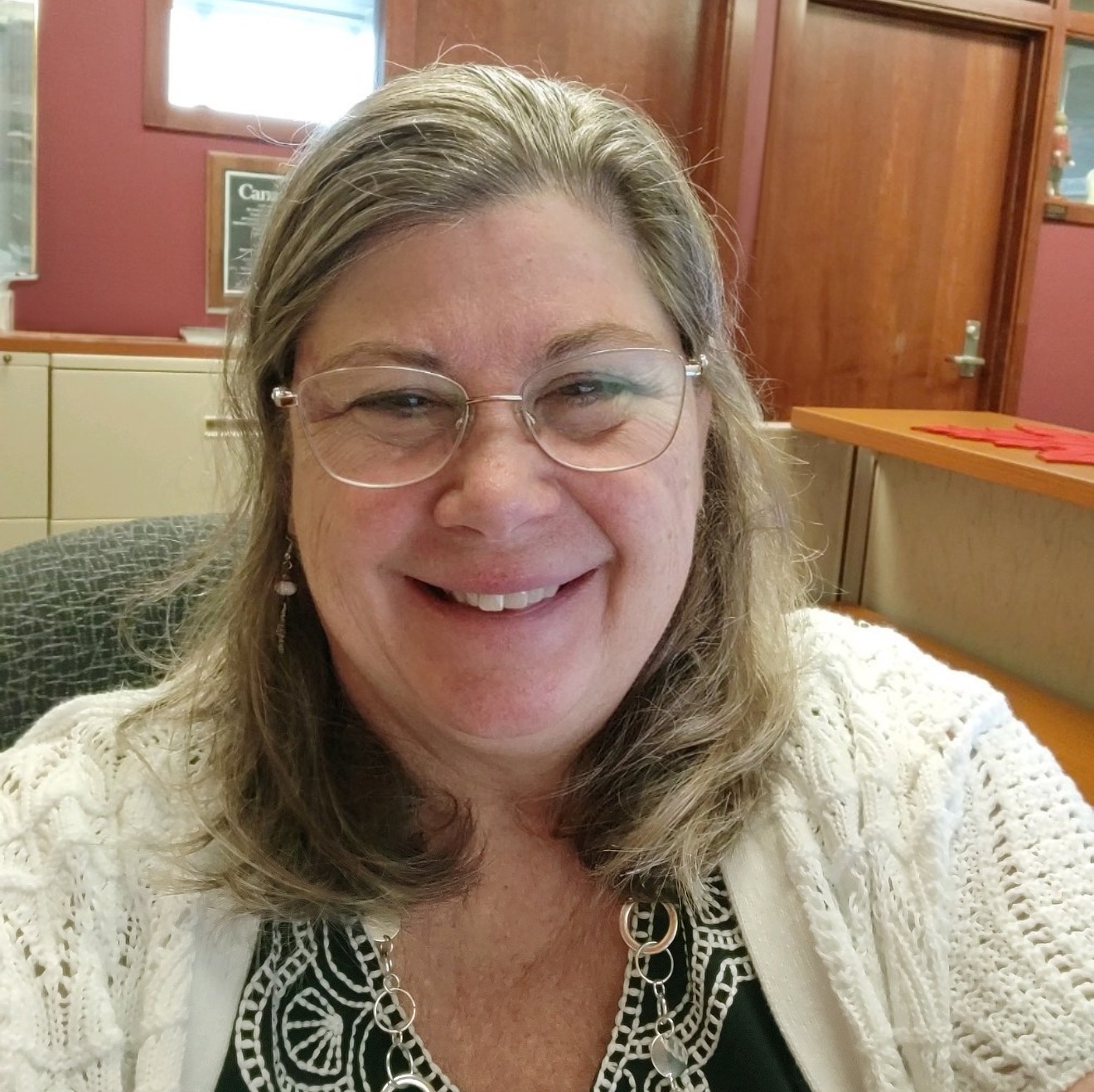
Laura Large
Business Manager
Grant Administrator
-

Marsha MacDowell
Head of Traditional Arts
-

Alicia Sheill
Head of Operations
Project Manager
-
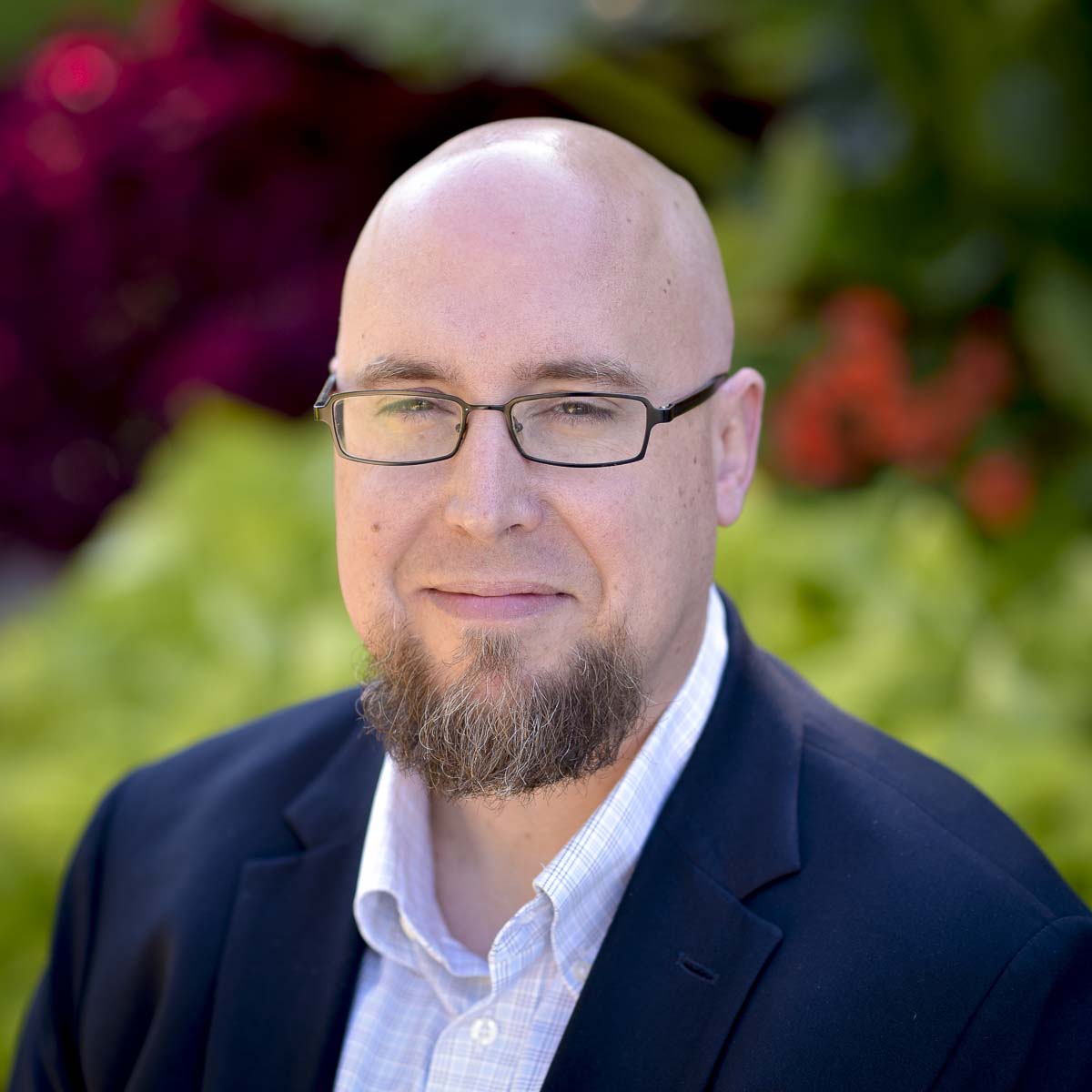
Ethan Watrall
Head of Tangible Heritage and Archaeology Projects
Dean Rehberger
Director, Matrix
Associate Professor, History
Adjunct Curator, MSU Museum
 @deanreh
Dean Rehberger is the Director of Matrix and faculty in the at MSU. Dean specializes in developing digital technologies for research and teaching. He has run numerous faculty technology and workshops and given presentations for educators and cultural heritage workers from local, national and international audiences.
Dean teaches a variety of courses at MSU for History and Museum Studies. He also helps to design and develop online courses for History.
Dean oversees Matrix project planning, research and development, coordinating many of the grant-funded projects for the Center. His research includes Semantic Web and big data; digital history, humanities, and social sciences; digital libraries, museums and archives (GLAM); and digital technologies in the classroom.
Candace M. Keller is Associate Director of Matrix and Associate Professor of African Art and Visual Culture in the Department of Art, Art History, and Design at Michigan State University. Teaching several arts and humanities courses in the College of Arts & Letters, her research centers on photographic practice in Mali, West Africa, during the 20th and 21st centuries. As Director of the Archive of Malian Photography (amp.matrix.msu.edu), since 2011, she has also specialized in cultural heritage preservation and accessibility with an emphasis on ethical practice, partnerships, and project management.
Supporting the director and staff at Matrix, Candace helps to oversee the Center’s project planning, research, and development; the coordination of its many grant-funded projects; and the facilitation of its interdisciplinary and transdisciplinary partnerships within and beyond the University. Specializing in photography, aesthetics, and social practice in Mali, her primary areas of expertise are digital art history, humanities, and social sciences, and digital archives, libraries, and museum projects, particularly in West Africa.
Joshua Christ is the Lead Software Developer on Matrix’s Enslaved.org project along with many other smaller projects. He is a recent graduate of Michigan State University’s Department of Computer Science and Engineering.
Beth Donaldson has been with the Quilt Index since it launched in 2003. Donaldson specializes in data cleaning, ingestion, and association and manages KORA users from around the US. Donaldson is an accomplished quilter and quilt book author. Her quilt knowledge is invaluable in managing the data and resources of the Quilt Index. Donaldson also is the Data Manager for the Michigan Stained Glass Census.
Anthony D’onofrio is the Assistant Director of Programming at Matrix and the lead developer on the KORA Digital Repository platform. A graduate of Michigan State University, and former student developer intern of Matrix, Anthony returned in 2015 to head up development on the 3.0 release of KORA. His responsibilities also include the supervision and recruitment of student developer interns at Matrix. In addition to KORA 3, Anthony worked on the development and launch of the educational research projects, the Narrative Assessment Protocol and the Access to Literacy (IPAAR) project.
Catherine Foley is Matrix’s Director of Digital Library and Archive Projects. She is a digital librarian with expertise in metadata standards. She manages several digital repository projects with cultural heritage resources from Africa, including the Archive of Malian Photography, an NEH-funded project to digitize, catalog, preserve, and render freely accessible 100,000 rare images from the original archives of four professional photographers in Mali, the Community Video Education Trust digital archive, African Oral Narratives: life histories, interviews, folklore & song from sub-Saharan African, and Biographies: Atlantic Slave Data Network.
Jeff Goeke-Smith is Matrix's Head of Systems. A graduate of Michigan State University’s Computer Science program, Jeff Goeke-Smith has spent 15 years architecting and operating the MSU campus-wide network, including core network services on a variety of platforms. Jeff has architected the infrastructure for the campus-wide virtualization and storage systems. Prior assignments have included the operation of large scale network security devices, load balancers, and web services. His expertise lies in all forms of advanced infrastructure.
Walter Hawthorne
Head of Enslaved.org Project
Associate Dean for Academic and Student Affairs, College of Social Science
Professor of History
Laura Large is the Matrix Business Manager and Grant Administrator. Laura earned her Master’s degree in Organizational Change Leadership from Western Michigan University (WMU) as well as her Bachelor of Business Administration degree in Finance and Economics. Laura’s passion and commitment to global education drives her work at MSU and she is a strong advocate for first-gen and other under-served students and people. She previously served in MSU’s International Studies and Programs and has also been the Executive Assistant to the President at St. Edward’s University and the Associate Provost at WMU. Prior to her work in higher education, she has been involved in the wealth management, financial, medical, and non-profit sectors.
Laura manages the financial and administrative activities of Matrix and participates in the development of goals, objectives, policies, and procedures. Additionally, Laura is responsible for planning, directing, and managing the budget process. She works with Matrix, Matrix Partners, and the MSU Office of Sponsored Projects for all Matrix grant activities, both pre-and post-award.
Alicia M. Sheill is Head of Operations at Matrix the Center for Digital Humanities and Social Sciences. She has over eighteen years of project management experience that includes the Mellon Foundation and National Endowment for Humanities’ funded project Enslaved.org Peoples of the Historical Slave Trade, the National Endowment for Humanities’ project What America Ate, and the Quilt Index. She has considerable experience with metadata standards, semantic technologies and ontology development for the publication of linked open data, knowledge graphs, and data remediation and integration, especially into Wikibase and KORA. She holds a degree and certification in research administration from Michigan State University and has extensive experience in pre-award and post-award grant administration.
Ethan Watrall
Associate Professor, Anthropology
Head of Tangible Heritage and Archaeology Projects, Matrix
Director, Cultural Heritage Informatics Initiative
Director, Digital Heritage Imaging & Innovation Lab
Adjunct Curator of Anthropology, MSU Museum
An anthropological archaeologist who has worked in Canada, the United States, Egypt, and the Sudan, Ethan Watrall is Associate Professor in the Department of Anthropology and Associate Director of Matrix: Center for Digital Humanities & Social Sciences at Michigan State University. Ethan also serves as an Adjunct Curator of Archaeology at the Michigan State University Museum. In addition, Ethan is Director of the Cultural Heritage Informatics Initiative and the Digital Heritage Fieldschool in the Department of Anthropology at Michigan State University. He is also Director of the Department of Anthropology’s Digital Heritage Imaging & Innovation Lab (which is a partnership between the Department of Anthropology and The Lab for the Education and Advancement in Digital Research).
Ethan’s scholarship focuses on the application of digital methods and computational approaches within archaeology and heritage. This focus expresses itself broadly in three domains: (1) publicly engaged digital heritage and archaeology; (2) digital documentation and preservation of tangible heritage and archaeological materials; and (3) building capacity and communities of practice in digital heritage and archaeology. The thematic thread that binds these domains together is one of preservation and access – leveraging digital methods and computational approaches to preserve and provide access to archaeological and heritage materials, collections, knowledge, and data in order to facilitate research, advance knowledge, fuel interpretation, and democratize understanding and appreciation of the past.
-
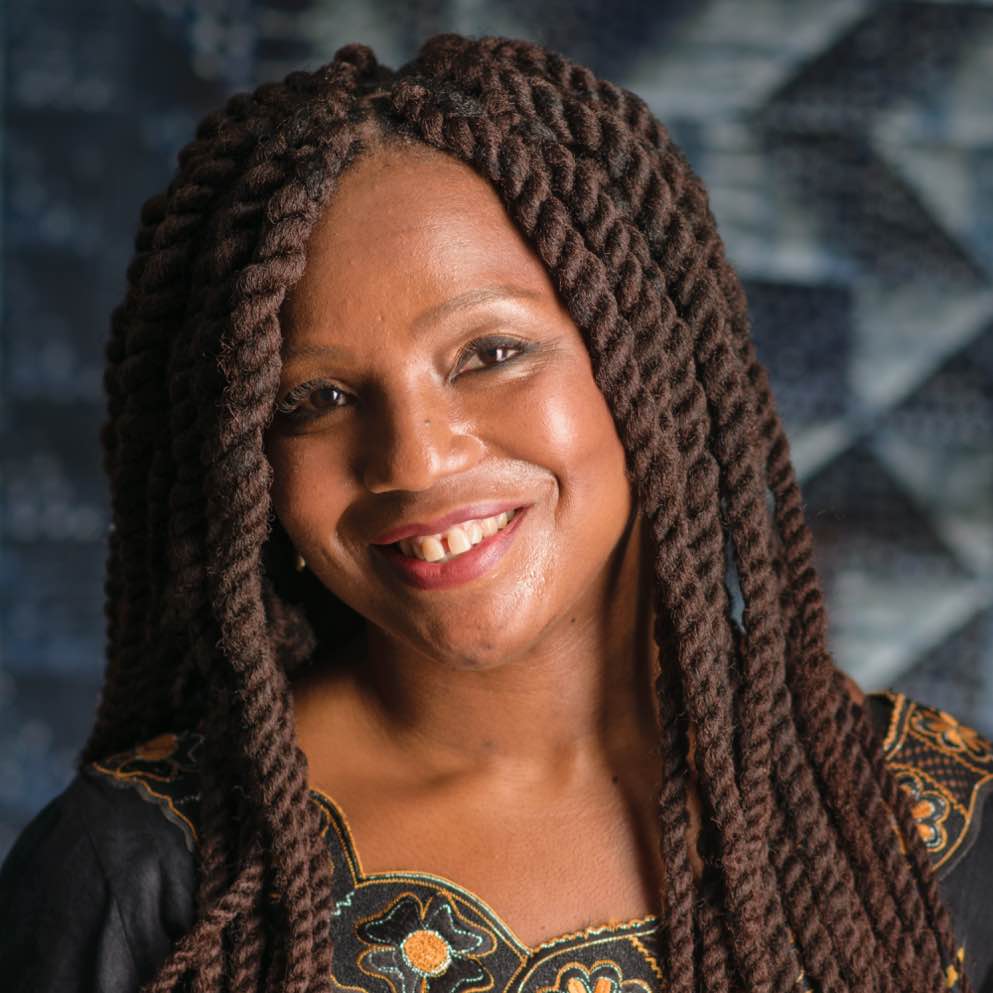
Nwando Achebe
Endowed Professor of History
-
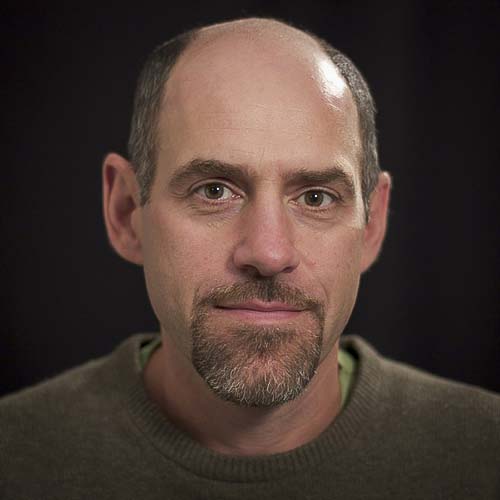
Peter Alegi
Professor of History
-

Peter Berg
Interim Head of Special Collections at MSU Libraries
-
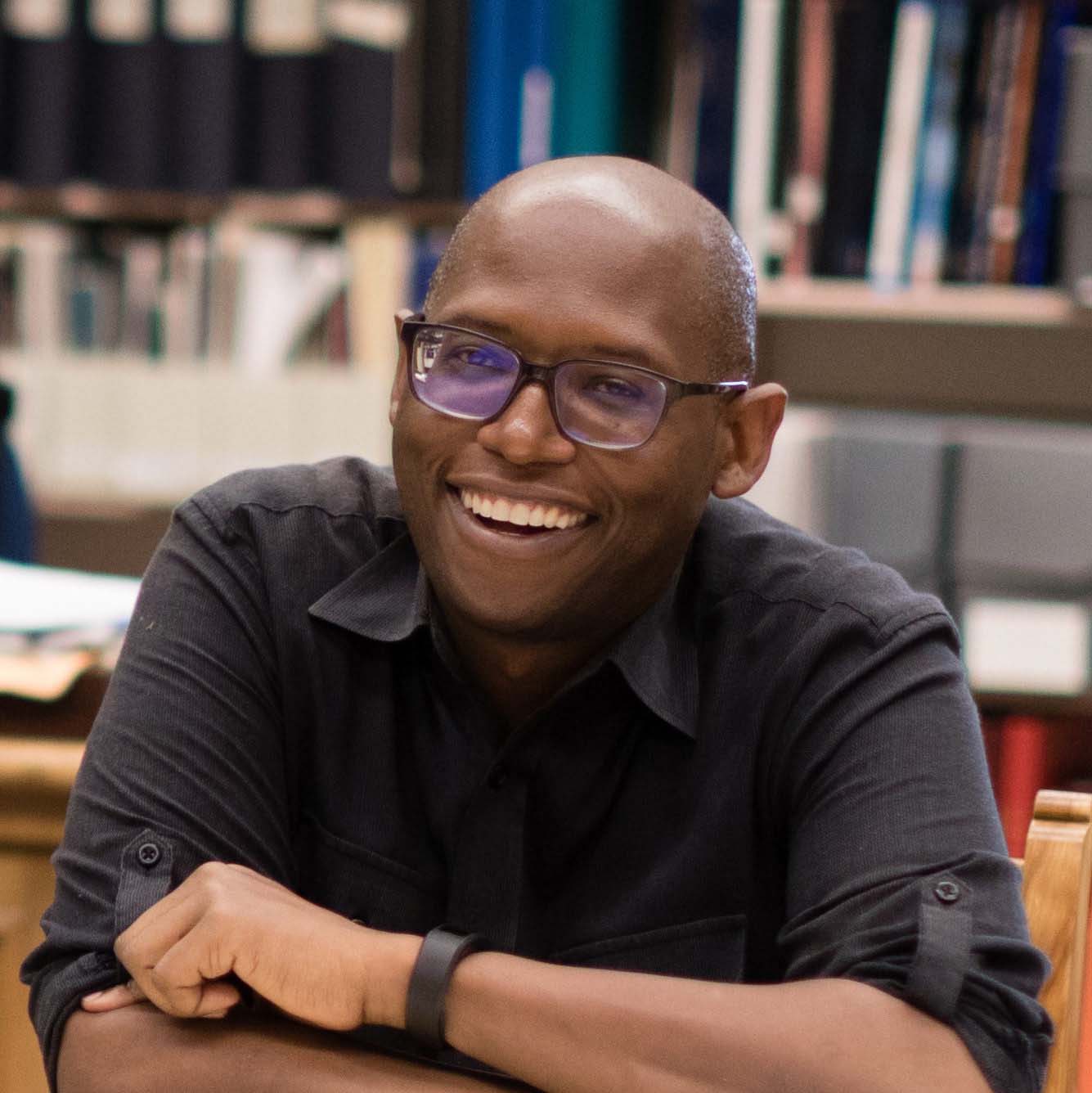
Julian Chambliss
Professor of English
-
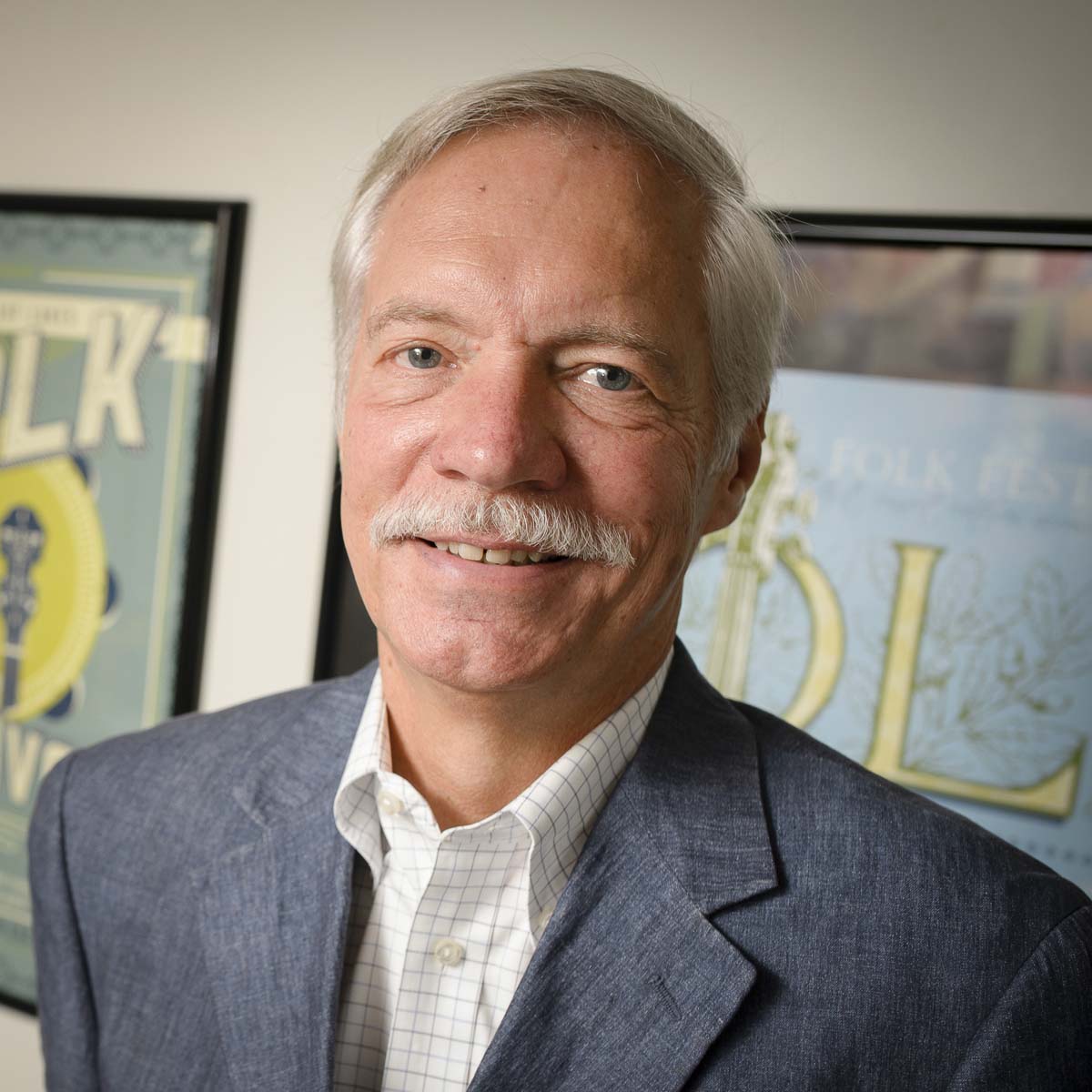
Kurt Dewhurst
Professor of English and Museum Studies
-
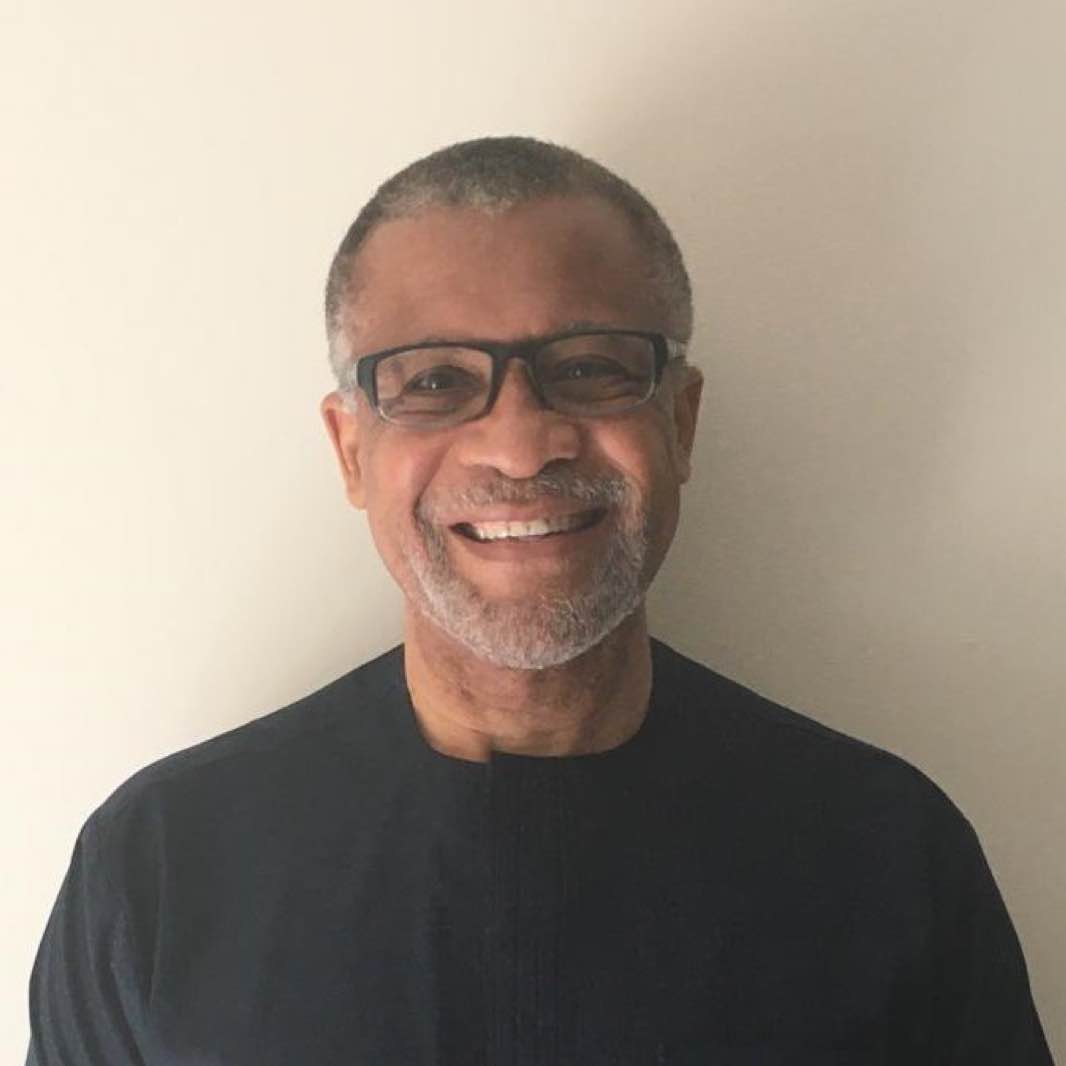
Philip Effiong
Associate Professor of Theatre Studies
-

Marisol Fila
PhD Candidate in Romance Languages and Literatures Spanish and Portuguese, University of Michigan
-
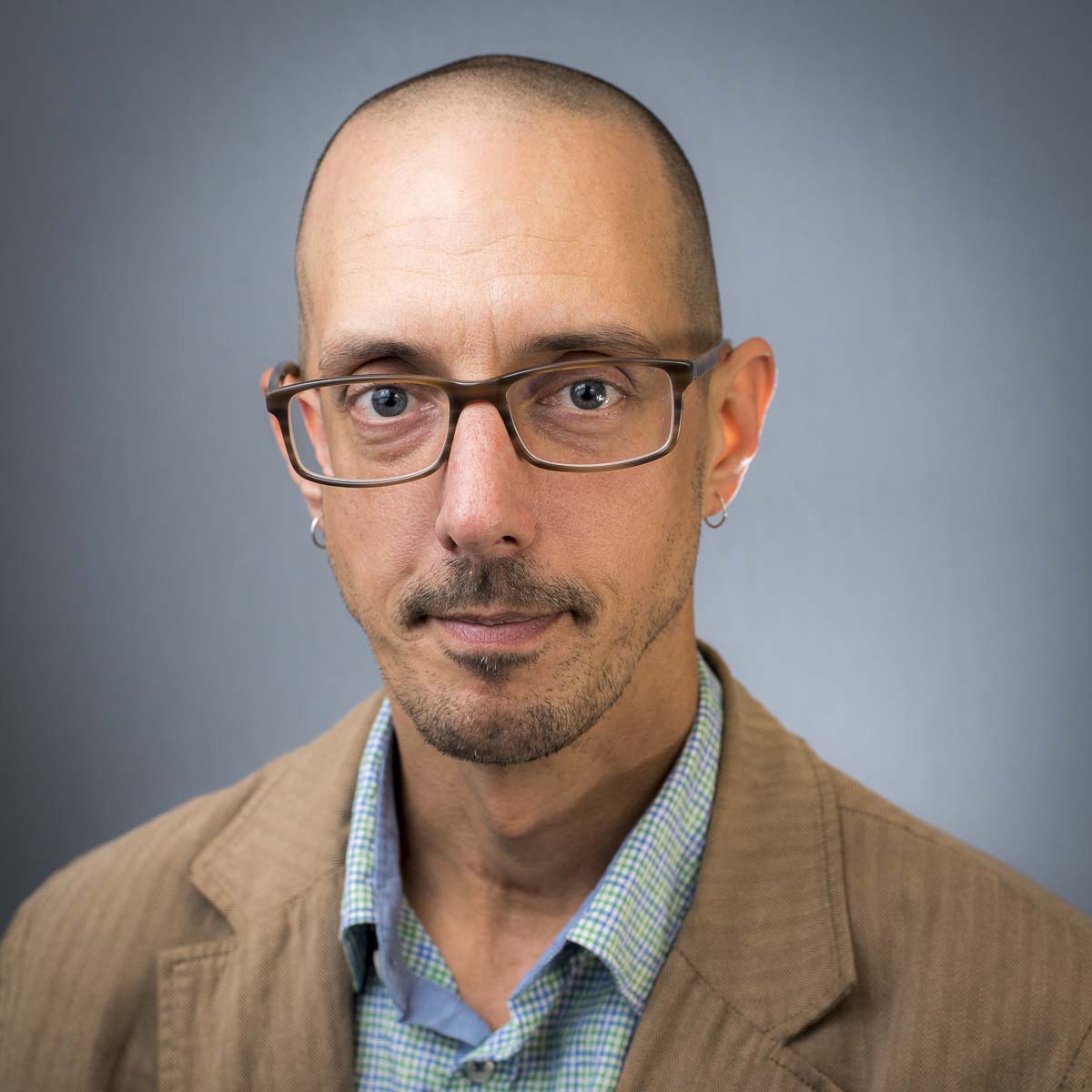
Jon Frey
Associate Professor of Art, Art History, and Design
-

Jeff Grabill
Associate Provost for Teaching, Learning, and Technology
-

Bill Hart-Davidson
Associate Dean for Research and Graduate Education, College of Arts & Letters
-
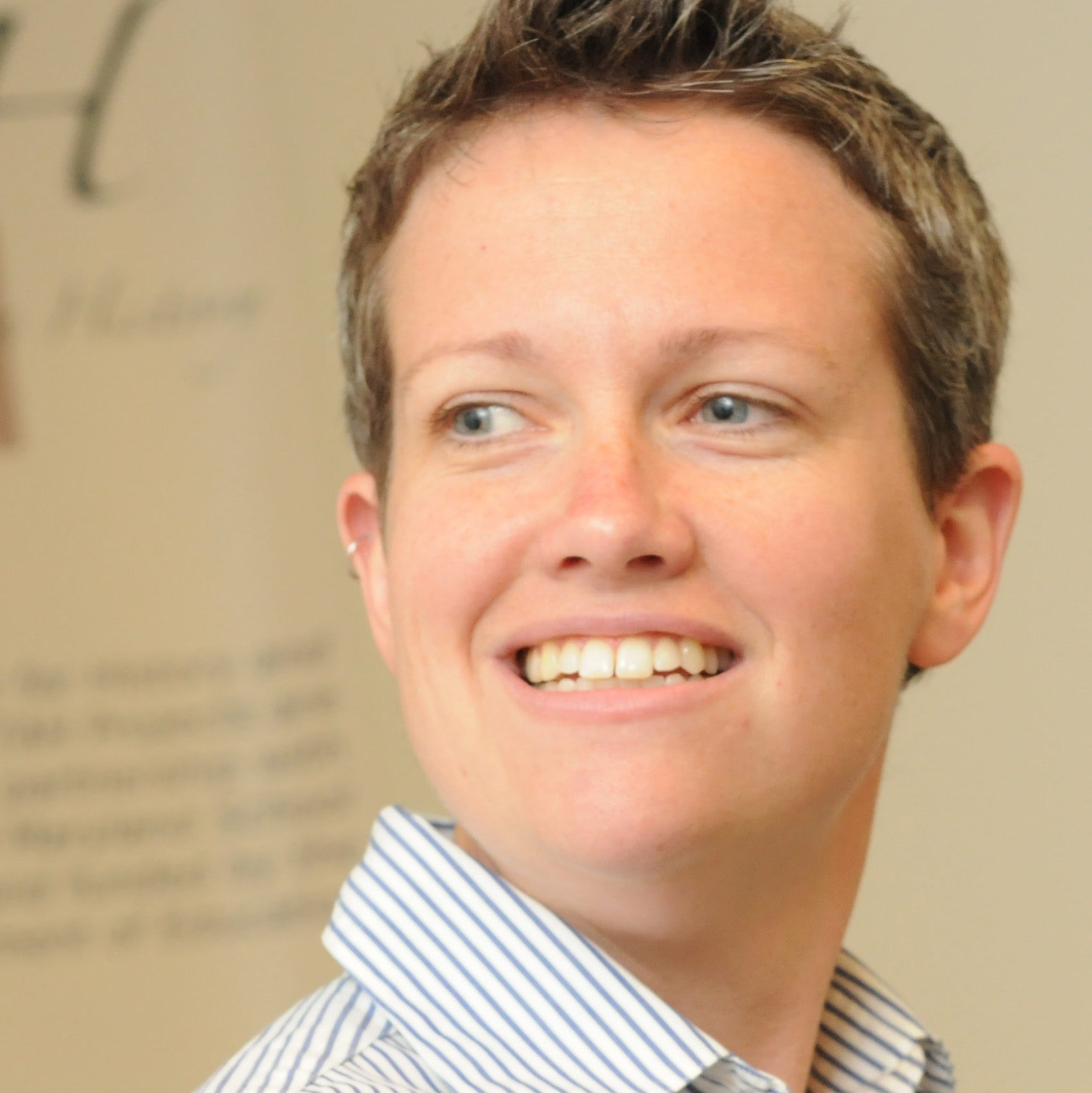
Sharon Leon
Associate Professor of History
-
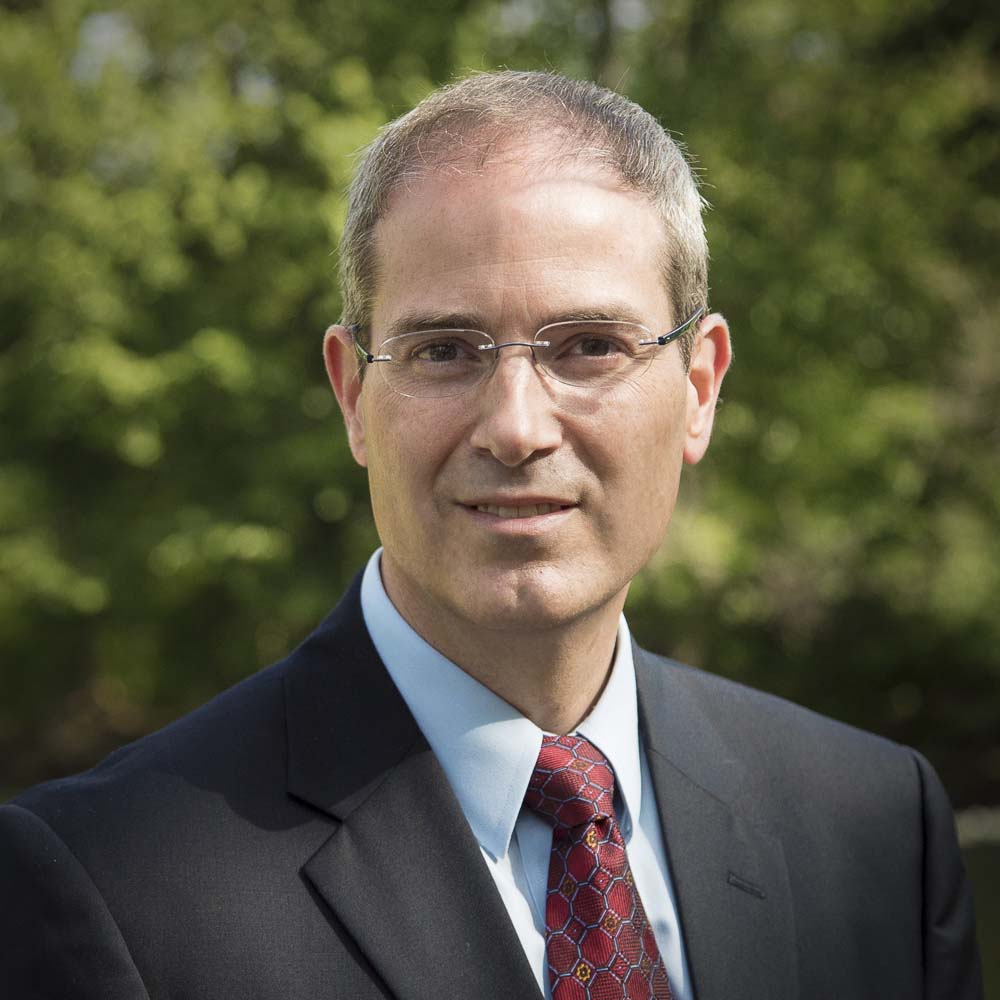
Christopher Long
Dean, College of Arts & Letters
-
Deborah Mack
Associate Director for Strategic Partnerships at the National African American Museum of History and Culture, Smithsonian Institution
-

Steven Niven
Executive Editor,
Dictionary of Caribbean and Afro-Latin American Biography,
Dictionary of African Biography and African American National Biography,
Hutchins Center for African and African American Research, Harvard University -
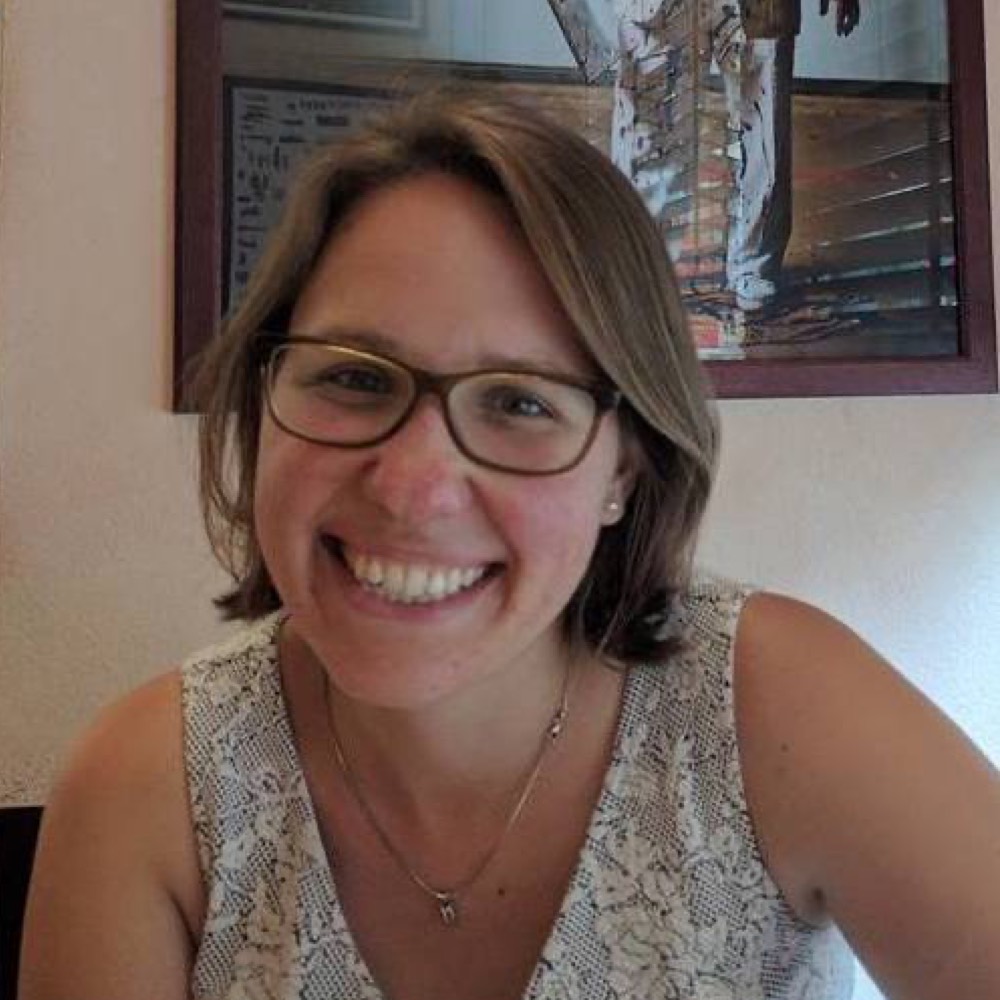
Kristina Poznan
Managing Editor, Journal of Slavery and Data Preservation (Enslaved.org) Professional Track Faculty, College of Arts and Humanities, University of Maryland
-
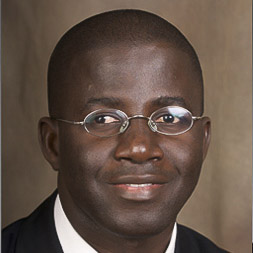
Ibra Sene
Associate Professor of History, The College of Wooster
-
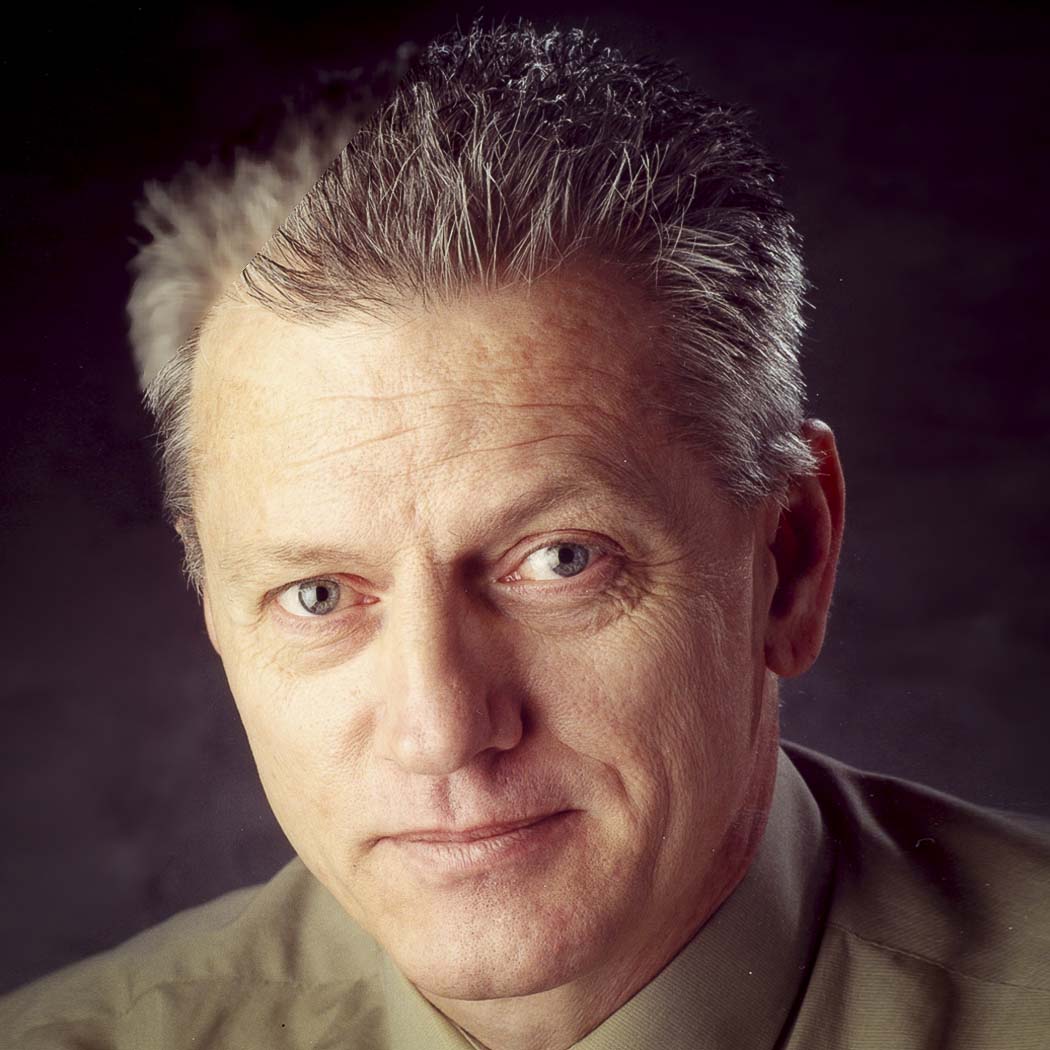
Mark Sullivan
Associate Professor of Music
-
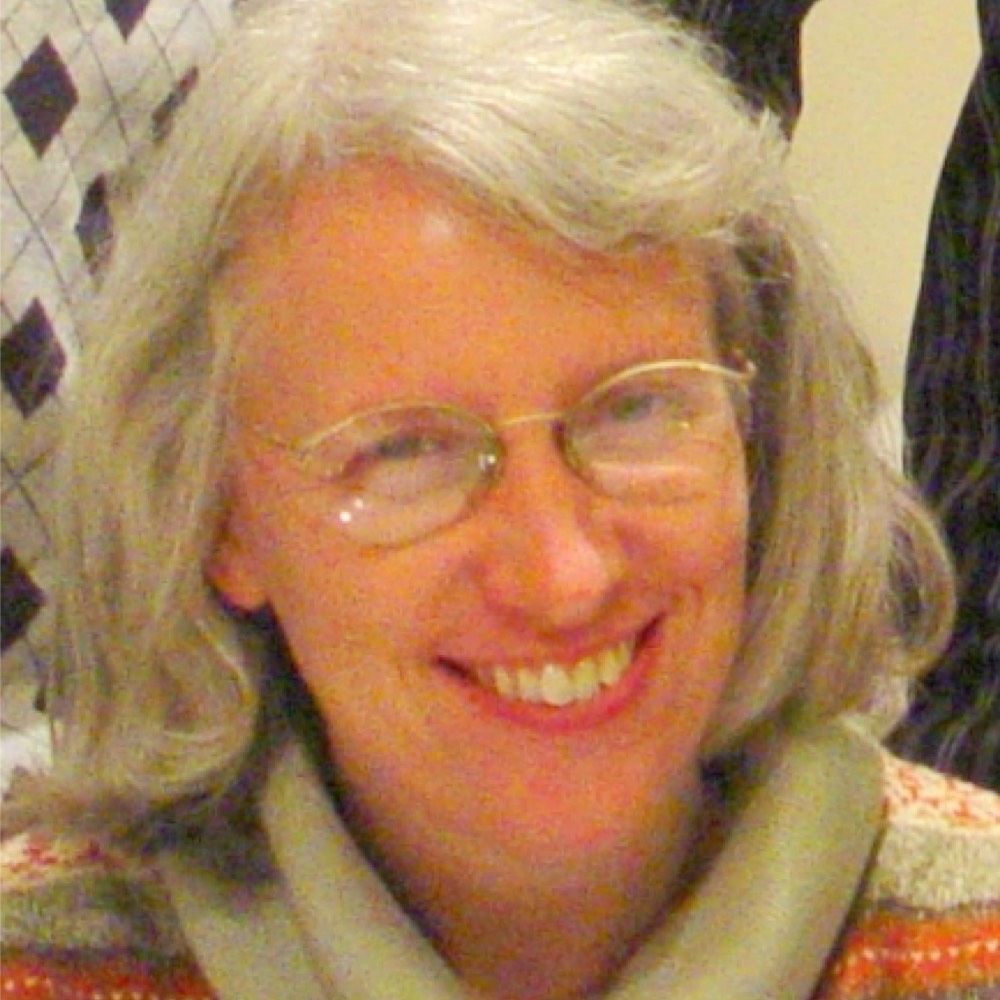
Christine Root
Project Manager, African Activist Archive Project
-

Rebecca Tegtmeyer
Associate Professor of Graphic Design
-
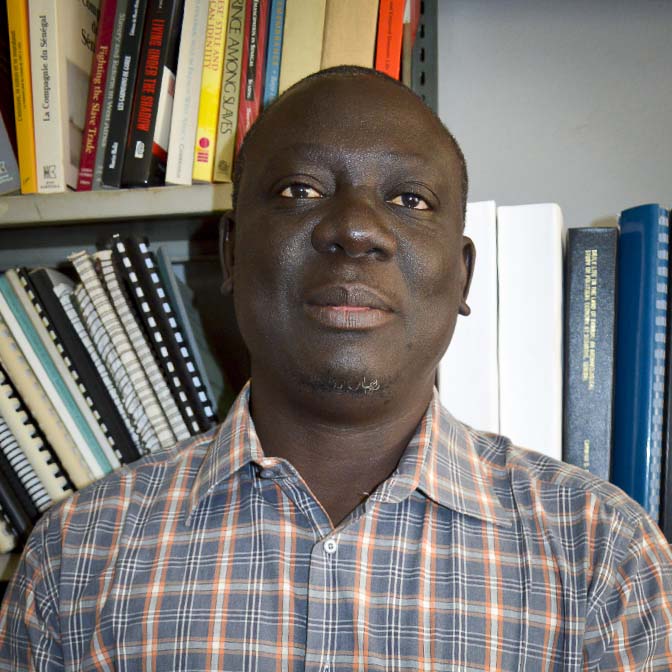
Ibrahima Thiaw
Director of Anthropology at Institut Fondamental d’Afrique Noire/University Cheikh Anta Diop of Dakar, Senegal
-

Helen Zoe Veit
Associate Professor of History
-
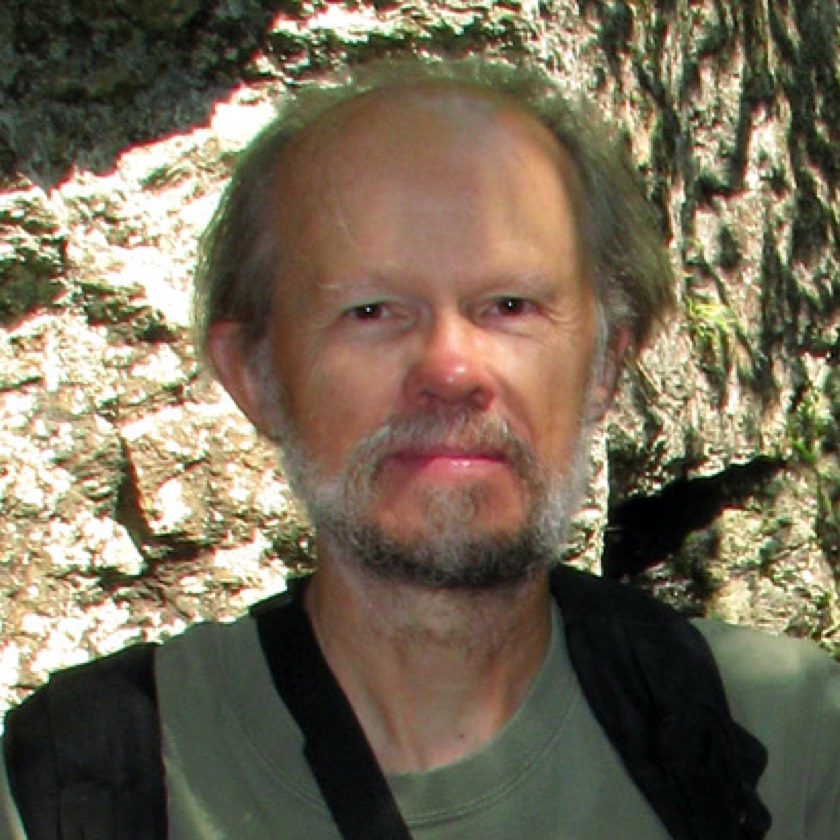
Peter Vinten-Johansen
Associate Professor Emeritus of History
-
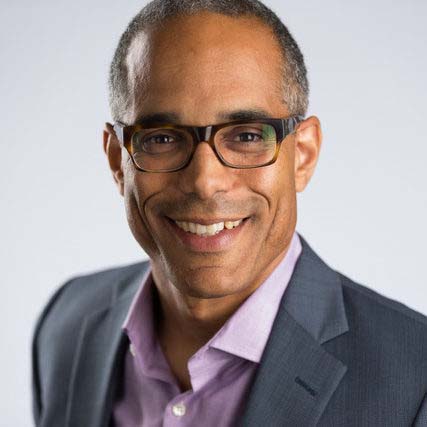
Daryle Williams
Associate Professor of History, University of Maryland
Jeff Grabill
Associate Provost for Teaching, Learning, and Technology
Director of the Hub for Innovation in Learning and Technology
Professor of Rhetoric and Professional Writing
Bill Hart-Davidson
Associate Dean for Research and Graduate Education, College of Arts & Letters
Professor of Writing, Rhetoric, and American Cultures
WIDE Senior Researcher
Christine Root
Project Manager, African Activist Archive Project
Ibrahima Thiaw
Director of Anthropology at Institut Fondamental d’Afrique Noire/University Cheikh Anta Diop of Dakar, Senegal
Peter Vinten-Johansen
Associate Professor Emeritus of History
Daryle Williams
Associate Professor of History, University of Maryland
Associate Dean for Faculty Affairs, University of Maryland